Bee Pollen: Uses, Benefits, Nutrition & How to Eat
Deprecated: htmlspecialchars(): Passing null to parameter #1 ($string) of type string is deprecated in /home/nqtjeubh/public_html/wp-includes/formatting.php on line 4724
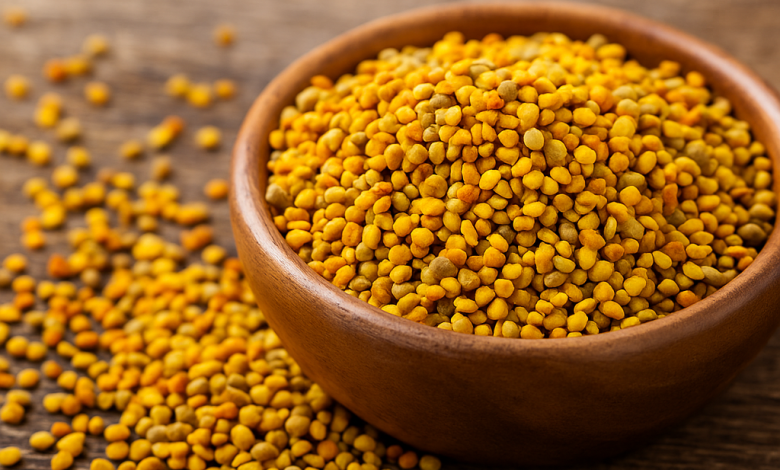
In today’s world of superfoods, few natural products are as fascinating as bee pollen. These tiny golden granules, collected by honeybees from flowers, are more than just pollen dust — they’re a complete nutritional package enriched with proteins, vitamins, minerals, enzymes, and antioxidants.
For centuries, bee pollen has been consumed in traditional medicine for energy, immunity, and healing. Modern science has now confirmed many of these benefits, making bee pollen one of the most sought-after dietary supplements worldwide.
If you’ve ever wondered what bee pollen is, how it works, and how you can include it in your diet, this guide is for you.
What is Bee Pollen?
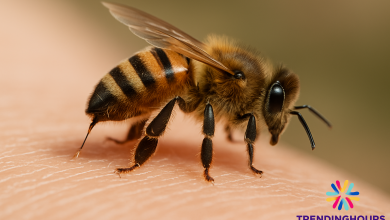
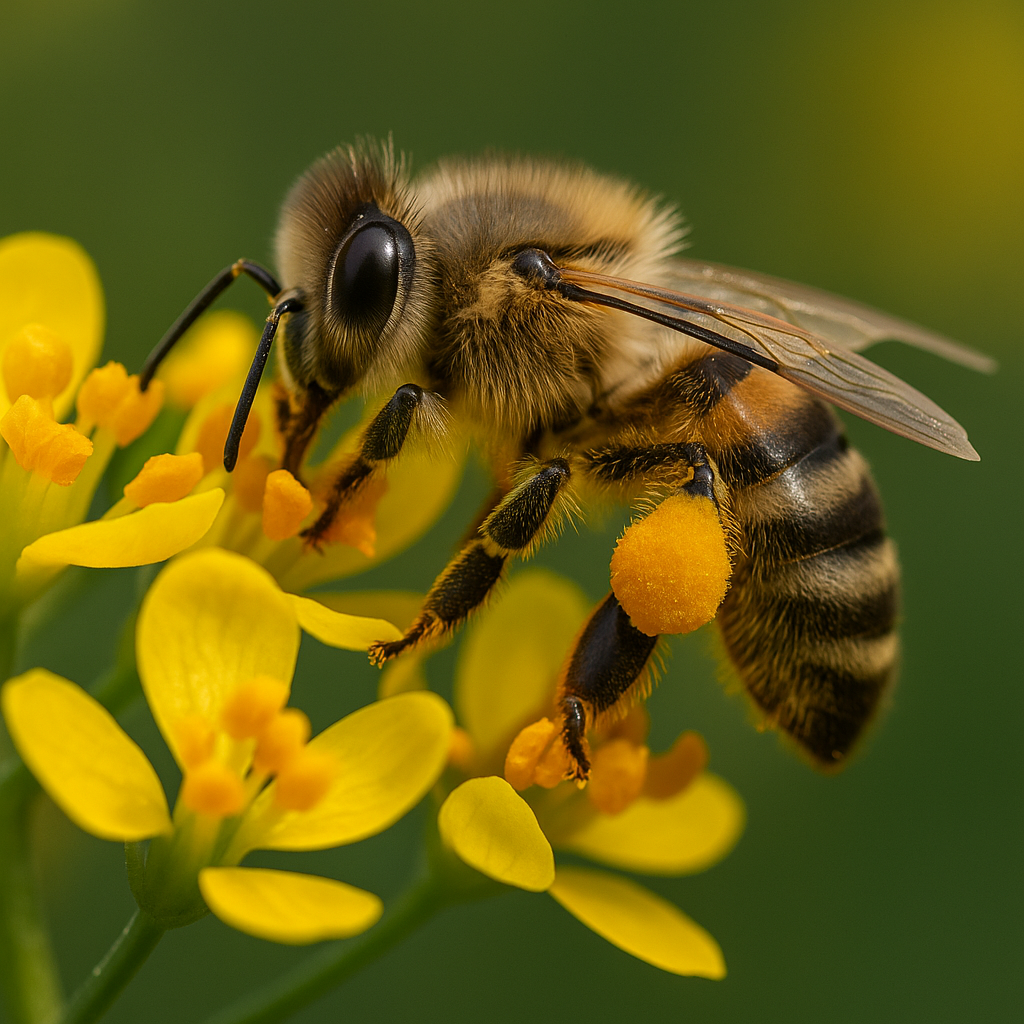
Bee pollen is made when honeybees collect pollen from flowers and mix it with nectar and enzymes. The result is a nutrient-dense food stored in the hive as nourishment for young bees.
For humans, it provides:
- Plant proteins and amino acids
- B vitamins for energy
- Antioxidants for cell protection
- Minerals for overall health
Bee pollen is sometimes called “nature’s multivitamin” because of its wide range of nutrients.
Nutritional Value of Bee Pollen
Bee pollen is a nutrient powerhouse. While exact content varies by region and plants, on average 100 grams contains:
- Protein: 20–35 g (with all essential amino acids)
- Carbohydrates: 30–55 g (natural energy)
- Fats: 1–20 g (healthy fatty acids)
- Vitamins: B-complex, Vitamin C, D, E, and beta-carotene
- Minerals: Potassium, calcium, magnesium, zinc, selenium
- Antioxidants: Flavonoids, carotenoids, and polyphenols
- Enzymes: Aid in digestion and metabolism
👉 This makes bee pollen one of the most balanced natural foods available.
Health Benefits of Bee Pollen
1. Boosts Energy & Stamina
Bee pollen is often called a natural energizer. Unlike coffee or energy drinks that rely on caffeine, bee pollen provides slow-releasing energy through its combination of carbohydrates, proteins, and B vitamins. These nutrients work together to keep your body energized for longer periods without the “crash” effect.
💡 Why it matters: Athletes and fitness enthusiasts often take bee pollen before workouts to enhance stamina, reduce fatigue, and improve recovery.
2. Strengthens Immunity
The immune system relies heavily on antioxidants and vitamins to fight infections. Bee pollen is packed with Vitamin C, Vitamin E, flavonoids, and carotenoids, all of which strengthen the body’s natural defense system. It helps create a shield against seasonal illnesses such as colds and flu.
💡 Why it matters: In times of rising pollution and fast-paced lifestyles, having a natural immunity booster is more important than ever.
3. Improves Digestion
Good digestion is the foundation of good health. Bee pollen contains natural enzymes like amylase, protease, and lipase, which assist in breaking down carbohydrates, proteins, and fats. This means your body absorbs nutrients more efficiently.
💡 Why it matters: Regular consumption can reduce bloating, indigestion, and poor nutrient absorption, helping you feel lighter and healthier.
4. Supports Heart Health
Bee pollen supports cardiovascular health in multiple ways. It may help lower bad cholesterol (LDL), raise good cholesterol (HDL), and improve blood circulation. Flavonoids in bee pollen also strengthen blood vessels and reduce oxidative stress in arteries.
💡 Why it matters: With heart disease being one of the leading health issues worldwide, adding bee pollen to your diet may offer natural support for long-term heart wellness.
5. Reduces Inflammation
Inflammation is the root cause of many chronic conditions, from arthritis to autoimmune diseases. Bee pollen contains anti-inflammatory compounds that reduce swelling and soothe joints.
💡 Why it matters: It’s especially beneficial for people with arthritis, joint pain, or sports-related injuries, as it can naturally reduce discomfort and speed up healing.
6. Enhances Skin & Hair Health
Bee pollen is rich in Vitamin A, Vitamin C, zinc, and amino acids that are vital for collagen production and skin regeneration. Antioxidants fight free radicals, slowing down signs of aging like wrinkles and dullness. For hair, it provides proteins and minerals that strengthen follicles and encourage growth.
💡 Why it matters: Many skincare brands now include bee pollen extracts because of its natural anti-aging and rejuvenating properties.
7. Aids Weight Management
Bee pollen is nutrient-dense yet relatively low in calories, making it an excellent food for weight watchers. Its high fiber content keeps you full for longer, reducing unnecessary snacking. Additionally, it helps regulate blood sugar levels, preventing sudden hunger pangs.
💡 Why it matters: When combined with a balanced diet, bee pollen can support weight loss while ensuring the body gets essential vitamins and minerals.
8. Improves Mental Focus
The brain thrives on a steady supply of nutrients. Bee pollen is loaded with B vitamins, amino acids, and antioxidants that improve mental clarity, memory, and focus. Some studies suggest it may reduce fatigue and symptoms of stress.
💡 Why it matters: In an era of digital distractions and mental fatigue, bee pollen can be a natural supplement to support students, professionals, and elderly people in maintaining sharp focus.
9. Liver Detoxification
The liver is the body’s detox center, and bee pollen supports its function by promoting regeneration of liver tissue and enhancing detox pathways. Its antioxidant compounds help flush out toxins and protect the liver from damage caused by alcohol, pollution, and processed foods.
💡 Why it matters: A healthy liver means better metabolism, clearer skin, and improved energy levels.
10. Hormonal Balance
Bee pollen has been traditionally used for supporting hormonal health. It contains phytohormones and nutrients that may help regulate hormone production in both men and women. Women experiencing menopausal symptoms like hot flashes, mood swings, and fatigue may find relief with bee pollen.
💡 Why it matters: Balanced hormones improve mood, sleep, metabolism, and reproductive health.
External Link Suggestion:
National Library of Medicine – Bee Pollen: Chemical Composition and Health Benefits
How to Eat Bee Pollen
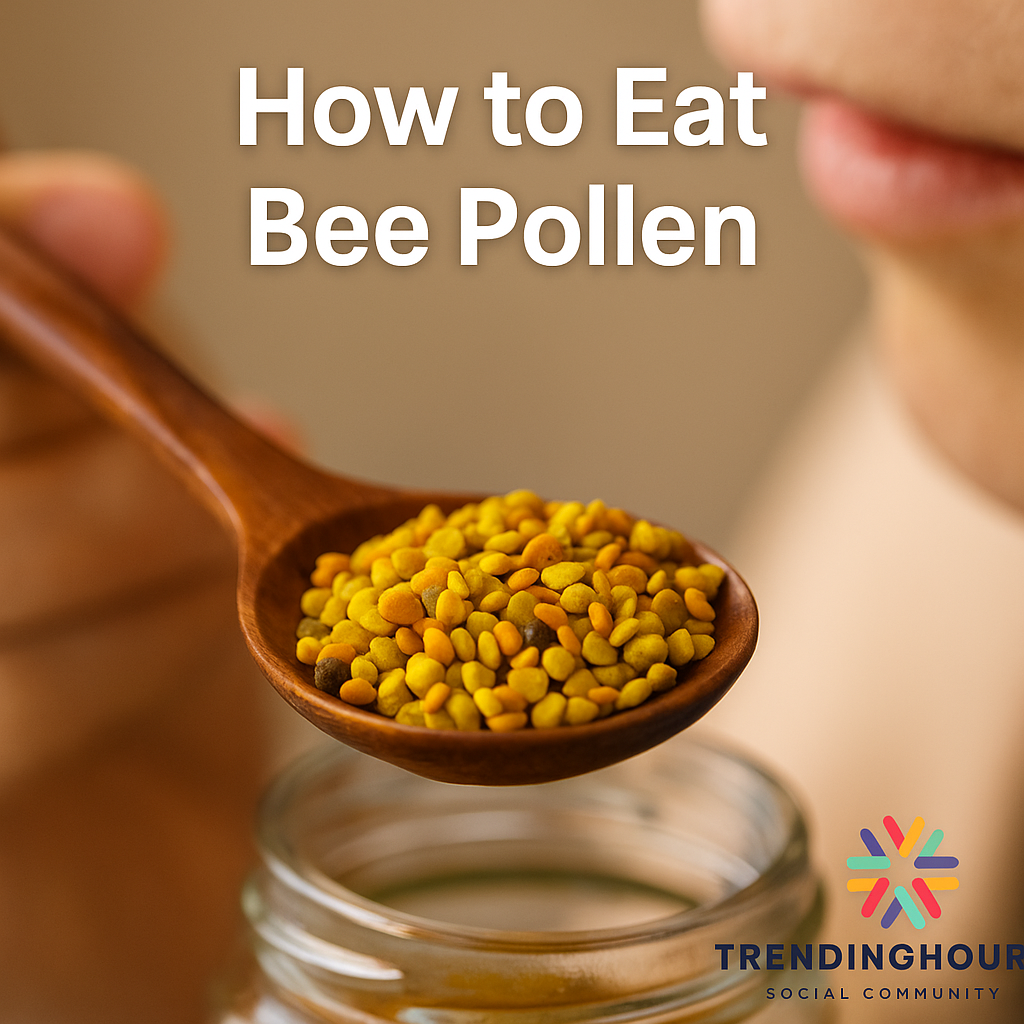
Bee pollen can be eaten raw or added to foods. Here are the best ways:
- Smoothies & Shakes → Add 1 teaspoon for an energy boost.
- Sprinkle on Yogurt/Salads → Crunchy and nutritious.
- Mix in Oatmeal or Cereal → A perfect breakfast add-on.
- Energy Bars & Balls → Combine with honey, oats, and nuts.
- Capsules or Tablets → Available as supplements.
👉 Tip: Start with ½ teaspoon daily to check for allergies. Gradually increase to 1–2 tablespoons per day.
Traditional and Modern Uses of Bee Pollen
Traditional Uses
- Ancient Chinese medicine used it for longevity.
- Greek athletes consumed it for strength.
- Ayurveda recommends it for vitality and stamina.
Modern Uses
- As a natural energy booster for athletes.
- For skin care and anti-aging.
- As a supplement for digestion and immunity.
- In functional foods and health products.
Side Effects & Precautions
While bee pollen is safe for most, some people need caution:
- Allergy Risk: Those allergic to pollen or bee stings may react.
- Pregnant & Breastfeeding Women: Should consult a doctor.
- People on Medication: Especially blood thinners, should seek medical advice.
👉 Always start with a small dose and monitor your body’s reaction.
Bee Pollen in the Global Market
- Bee pollen is now a popular superfood supplement sold in powders, granules, and capsules.
- The global bee pollen market is growing at over 6% annually, reflecting its rising demand.
- Consumers prefer organic, sustainably sourced bee pollen, since bee populations are under threat.
Bee pollen is truly one of nature’s most complete superfoods. With its rich nutritional profile, it boosts energy, strengthens immunity, improves digestion, supports heart health, and enhances skin and hair.
Adding just a teaspoon to your daily diet can make a noticeable difference in your energy levels and overall wellness. However, as with all natural products, it’s important to use it responsibly and be aware of possible allergies.
In a world full of synthetic supplements, bee pollen reminds us that the most powerful nutrition still comes from nature.
Sweet Potato for Weight Loss: Benefits, Recipes, and Cultural Relevance
Deprecated: htmlspecialchars(): Passing null to parameter #1 ($string) of type string is deprecated in /home/nqtjeubh/public_html/wp-includes/formatting.php on line 4724