SIT set up by Supreme Court sends 200-point questionnaire to Vantara
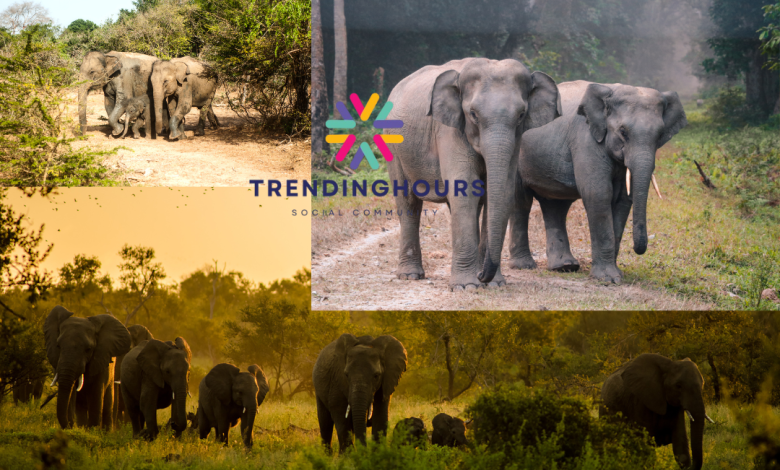
The SIT, chaired by former Supreme Court judge Jasti Chelameswar, spent three days last week inspecting Vantara and its facilities
In a significant development, the Supreme Court of India has mandated a comprehensive investigation into Vantara, a wildlife rescue and rehabilitation center in Jamnagar, Gujarat, operated by the Reliance Foundation. The court’s directive follows concerns raised through public interest litigations (PILs) regarding potential violations of wildlife protection laws and other regulatory frameworks.
What Is Vantara?
Vantara is presented as one of the world’s largest wildlife rescue centers, housing over 150,000 animals, including elephants, lions, and leopards. It is a philanthropic initiative led by Anant Ambani, son of Mukesh Ambani, the chairman of Reliance Industries. The center’s operations have garnered attention due to its scale and the involvement of high-profile individuals.
The Supreme Court’s Intervention
On August 25, 2025, the Supreme Court constituted a Special Investigation Team (SIT) to conduct an independent inquiry into Vantara’s operations. The decision was prompted by allegations concerning the acquisition of animals, adherence to the Wildlife (Protection) Act, and compliance with international conventions like CITES (Convention on International Trade in Endangered Species of Wild Fauna and Flora).
The Supreme Court’s Intervention
On August 25, 2025, the Supreme Court constituted a Special Investigation Team (SIT) to conduct an independent inquiry into Vantara’s operations. The decision was prompted by allegations concerning the acquisition of animals, adherence to the Wildlife (Protection) Act, and compliance with international conventions like CITES (Convention on International Trade in Endangered Species of Wild Fauna and Flora).
The 200-Point Questionnaire
As part of its investigation, the SIT has issued a detailed 200-point questionnaire to Vantara’s management. The queries encompass various aspects of the center’s operations, including:
- Animal Acquisition: Documentation and legal compliance regarding the sourcing of animals, both domestically and internationally.
- Financial Transactions: Transparency in funding, donations, and expenditures.
- Animal Welfare: Standards of veterinary care, housing conditions, and overall well-being of the animals.
- Regulatory Compliance: Adherence to national and international wildlife protection laws and zoo regulations.
- Environmental Concerns: Impact of the center’s location near industrial zones and its sustainability practices.
On-Site Inspection
To facilitate a thorough examination, the SIT conducted a three-day inspection of Vantara’s facilities. The team, led by former Supreme Court judge Justice Jasti Chelameswar, included former High Court Chief Justice Raghavendra Chauhan, ex-Mumbai Police Commissioner Hemant Nagrale, and Additional Customs Commissioner Anish Gupta. They engaged with senior officials at Vantara, scrutinized documents related to animal transfers, funding, and veterinary care, and assessed compliance with relevant laws.
Broader Implications
The inquiry into Vantara has sparked a wider debate on the regulation of private wildlife sanctuaries in India. Critics argue that such large-scale operations, despite their philanthropic claims, may not always align with conservation goals and could potentially exploit animals for commercial purposes. The outcome of the Supreme Court’s investigation could set a precedent for how similar institutions are monitored and regulated in the future.
The Supreme Court’s decision to investigate Vantara underscores the importance of transparency and accountability in wildlife conservation efforts. As the SIT delves deeper into the center’s operations, the findings are expected to shed light on the complex interplay between conservation, regulation, and philanthropy in India’s wildlife sector.