Moringa Powder: Complete Guide to Benefits, Uses and Precautions

Moringa (Moringa oleifera) — What It Is, How It Helps, and How to Use It (Humanized, Mature Guide)
Introduction — a humble tree with big promise
Moringa (scientific name Moringa oleifera) is often called the drumstick tree, miracle tree, or horseradish tree. It grows in warm regions across South Asia, Africa, and beyond. For generations people have used its leaves, pods, seeds and roots in cooking and traditional remedies. Today, powdered moringa leaf is a popular, easy way to add concentrated nutrients to food and drinks. This guide explains—clearly and practically—what moringa contains, what it may do for your health, and how to use it safely.
Which parts of the moringa tree are used?
- Leaves: The most commonly used part for powder and supplements — nutrient-dense and mild tasting.
- Pods (drumsticks): Eaten as a vegetable in many cuisines; rich in fiber and minerals.
- Seeds: Used to extract oil or sometimes for water purification; seeds contain healthy fats.
- Roots: Used in some traditional remedies, but use with caution (roots can be potent and are not universally recommended).
- Flowers: Occasionally used for food or tea.
What’s inside moringa? (Nutrients, in simple terms)
Moringa leaf powder is valued because it packs many nutrients into a small amount:
- Vitamins: A (as beta-carotene), C, E, and several B vitamins.
- Minerals: Iron, calcium, potassium, magnesium.
- Protein: A notable amount for a leaf — including some essential amino acids.
- Antioxidants: Compounds like quercetin and chlorogenic acid that fight oxidative stress.
- Fiber: Helps digestion and gut regularity.
- Healthy fats: Mostly found in seeds/oil.
In short: moringa is a compact source of vitamins, minerals, antioxidants and plant protein — useful when you want to boost nutrient intake without adding many calories.
Evidence-based and traditional benefits (what moringa may help with)
(These points are written carefully—moringa is supportive, not a cure.)
- Energy and vitality: Many people report steadier energy and less fatigue when they use small, regular doses.
- Immune support: Vitamin C, minerals and antioxidants can support immune resilience.
- Anti-inflammatory support: Moringa contains compounds that may reduce low-grade inflammation.
- Blood sugar and cholesterol support: Some studies suggest modest improvements in blood glucose and lipid levels; this is supportive care, not a substitute for prescribed medication.
- Skin and hair nutrition: The vitamins and antioxidants are beneficial for skin tone and hair strength when used as part of a balanced diet.
- Micronutrient boost: Useful in situations of mild nutrient gaps (e.g., for children, older adults, or people with limited diets).
How to use moringa powder — practical, day-to-day guidance
- Start small: Begin with ½ teaspoon (≈1–2 g) daily for a week to assess tolerance.
- Typical amount: 1 teaspoon (≈3–5 g) per day is common for regular use.
- Upper range: Some people take up to 1 tablespoon (≈10–15 g) daily, but only after gradually increasing and ideally after consulting a healthcare provider.
- Best ways to take it:
- Add ½–1 tsp to a morning smoothie.
- Stir into yogurt, soups, or stews near the end of cooking.
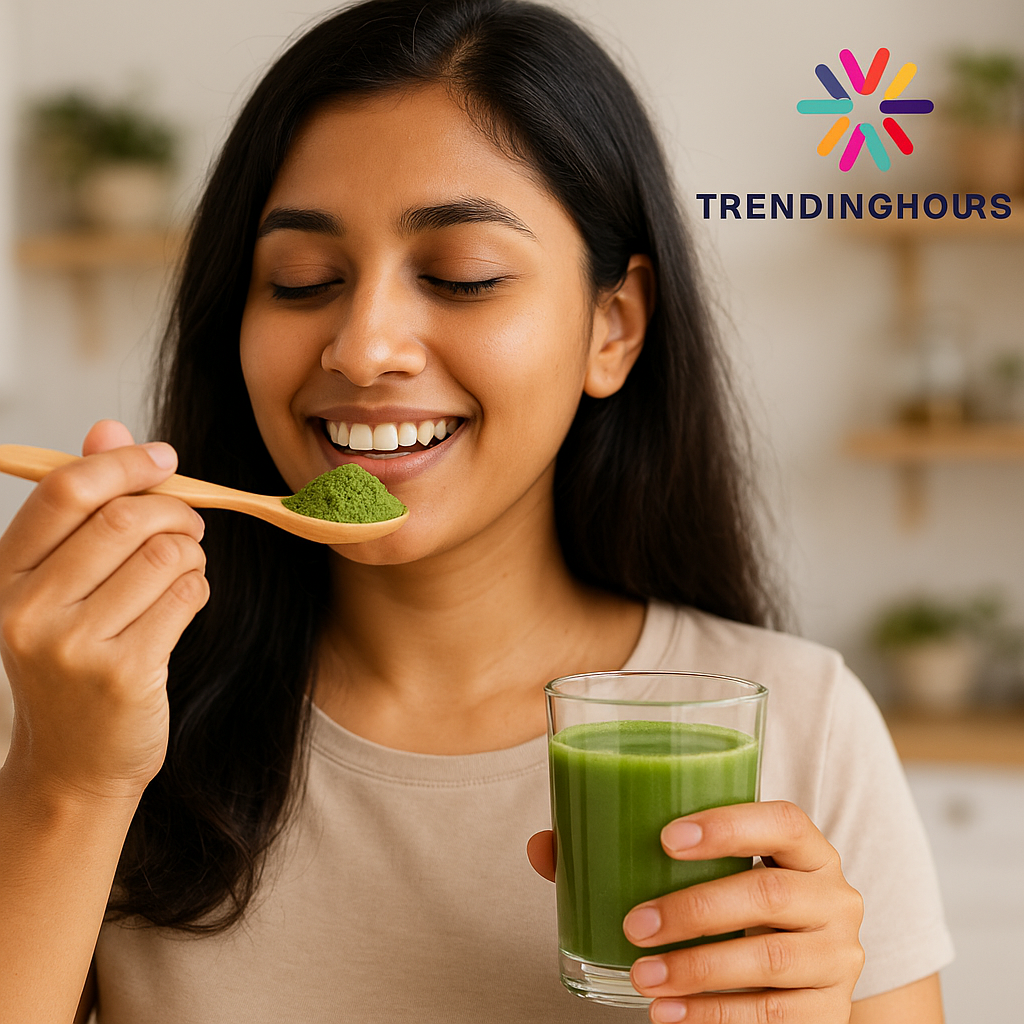
- Mix in warm (not boiling) water or herbal tea with lemon and honey.
- Blend into pancake or batter (1–2 tsp per cup of batter).
- Avoid very high heat: Prolonged boiling can reduce some heat-sensitive nutrients.
Simple recipes
- Moringa Morning Smoothie: 1 cup milk (or plant milk), 1 banana, 1 tsp moringa powder, 1 tbsp peanut butter, optional honey — blend.
- Warm Moringa Tea: ½ tsp moringa powder in warm water, add lemon and honey — sip.
- Savory Sprinkle: ½ tsp moringa on cooked vegetables, dal, or salads.
- Face Mask (topical): 1 tsp moringa + 1 tsp plain yogurt + 1 tsp honey — patch test first.
Possible side effects & precautions
- Digestive changes: Starting moringa can cause mild bloating, gas, or loose stools—usually temporary. Lower the dose if this happens.
- Pregnancy and breastfeeding: High doses or certain extracts may not be safe during pregnancy. Pregnant or nursing people should consult a clinician before use.
- Medication interactions: If you take medications for diabetes, blood pressure, or blood thinning, talk to your doctor—moringa may affect blood sugar and blood pressure.
- Allergic reaction: Rare, but stop use if you get rash, swelling, or breathing difficulties.
- Caution with roots and certain extracts: Roots and concentrated extracts can be potent; stick to leaf powder from reputable sources unless under guidance.
- Children: Use smaller doses and consult a pediatrician if in doubt.
Choosing and storing moringa powder
- Look for reputable brands: Prefer organic and third-party tested products where possible.
- Color and smell: Good-quality leaf powder is bright green and smells fresh; avoid brown, musty, or off-smelling powders.
- Packaging: Vacuum-sealed, resealable, or nitrogen-flushed packs extend freshness.
- Storage: Store in an airtight container in a cool, dark place. Use within 6–12 months after opening for best potency.
- Contaminant checks: Prefer brands that provide lab results for heavy metals and microbial testing.
Cultivation & sustainability (brief)
Moringa grows quickly and tolerates dry soils, which makes it an attractive crop. Sustainable farming practices matter: responsible cultivation preserves soil health and local ecosystems rather than degrading them through monoculture or poor land use.
Human perspective — a balanced closing thought
Moringa is not a miracle cure, but it is a powerful, natural way to add nutrients into everyday food. Think of it as a nutritional ally—useful for filling small gaps, supporting energy and immunity, and enriching meals without much fuss. Start slowly, respect dose guidance, and consider it part of an overall healthy lifestyle: whole foods, adequate sleep, movement, and professional medical care when needed.