Strengthening Our Mental Health Response: A Focus on Holistic Well-being

Strengthening Our Mental Health Response: A Focus on Holistic Well-being
Mental health is a crucial part of our overall health. It affects how we think, feel, and act. With growing awareness, it is clear that mental health challenges are not just personal struggles—they are global issues. In fact, mental health care is becoming an essential part of overall healthcare. This article explores why mental health matters, how it impacts society, and what steps we can take to improve mental health care.
Understanding Mental Health
Mental health refers to emotional, psychological, and social well-being. It affects how we handle stress, relate to others, and make choices. Mental health problems are common, but they are often misunderstood. Conditions like depression, anxiety, and stress can affect anyone, regardless of age, gender, or background.
For example, depression is one of the leading causes of disability worldwide. It can cause feelings of sadness, hopelessness, and lack of interest in life. Anxiety, on the other hand, often leads to constant worry and fear. These conditions can be difficult to manage, but they are treatable with the right support.
The Importance of Addressing Mental Health
Addressing mental health issues is important not only for individuals but also for society. Untreated mental health problems can lead to severe consequences. These include difficulty in maintaining relationships, work issues, and even physical health problems. However, when mental health is prioritized, people can lead healthier, more productive lives.
By focusing on mental health, we can improve the quality of life for individuals. It can also lead to stronger communities. Mental health care should be part of regular healthcare services. This way, people can get the help they need without delay.
The Societal Impact of Mental Health Issues
Mental health problems affect everyone, not just the individual. For instance, people with mental health disorders may struggle with holding down jobs or participating in social activities. This can lead to economic losses and social isolation.
The economic burden of mental health problems is staggering. Lost productivity, medical costs, and social services add up quickly. In fact, the economic cost of mental health disorders is in the billions every year. Therefore, it makes sense to invest in mental health care to reduce these costs.
Addressing the Mental Health Crisis Globally
The World Health Organization (WHO) emphasizes the need for comprehensive mental health services. Many countries still lack sufficient mental health care. This is especially true in low-income areas, where resources are scarce.
One solution is to offer community-based mental health services. These services bring care closer to home, making it easier for people to get help. For example, school-based programs can teach children about mental health. Workplaces can offer mental health support programs for employees. These approaches make mental health care more accessible to everyone.
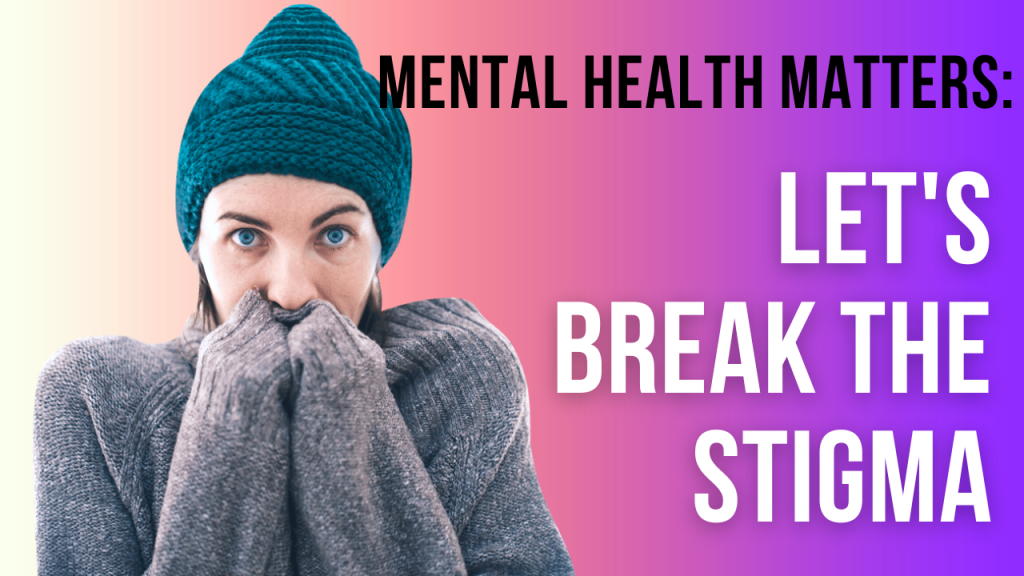
However, stigma remains a significant barrier. Many people still feel ashamed to talk about mental health. This makes it difficult for them to seek help. To tackle this, we need to encourage open discussions and raise awareness about mental health.
The Role of Technology in Mental Health Care
Technology is transforming mental health care. While social media can sometimes contribute to anxiety, technology also offers innovative solutions. Telehealth, for example, allows people to access mental health care from the comfort of their homes. This is especially important for people who live in rural areas or who have mobility issues.
Mental health apps are also becoming popular. These apps offer tools for tracking mood, practicing mindfulness, and accessing virtual therapy. They are a great way to manage mental health on a daily basis, and they help people get support when needed.
Preventing Mental Health Issues
Prevention is just as important as treatment. Preventing mental health issues can save lives and reduce the impact of disorders. For example, stress management techniques like yoga, deep breathing, and meditation can help people cope with anxiety and stress.
Physical activity is another important preventive measure. Exercise helps reduce symptoms of depression and anxiety. Regular exercise can also improve mood and boost overall well-being. Eating a balanced diet, getting enough sleep, and staying connected with loved ones are other important ways to prevent mental health issues.
Social Support: A Key Factor in Mental Health
Social support plays a crucial role in mental health. Having friends and family members who listen and care can make a big difference. Building strong relationships provides emotional stability and can help people manage stress.
Community support is equally important. Whether through support groups or local events, being part of a community helps individuals feel less isolated. Strong social networks also encourage people to seek help when they need it.
Raising Awareness and Reducing Stigma
One of the biggest challenges in mental health care is the stigma surrounding mental health problems. People often fear being judged or misunderstood. This fear prevents many from seeking the help they need.
Raising awareness is crucial to changing this. The WHO has called for global campaigns to educate people about mental health. By understanding mental health better, we can reduce stigma and encourage those who need help to reach out.
Moving Forward: A Collective Effort
Improving mental health requires a collective effort. Governments, healthcare providers, and communities must work together to create a system that supports mental well-being. Access to mental health care should be available to all, regardless of location or financial status.
Additionally, we need to prioritize mental health in schools, workplaces, and communities. Integrating mental health education into everyday life helps everyone understand its importance. By doing this, we can build a healthier, more supportive world.
Conclusion
Mental health is a critical part of overall well-being, and it deserves our attention and care. The WHO’s initiatives aim to strengthen mental health responses worldwide, and we all have a role to play in supporting these efforts. By improving access to care, raising awareness, and encouraging prevention, we can create a society where mental health is prioritized.
Together, we can break the stigma and build a world where mental health is seen as an integral part of overall health. Let’s act now to strengthen our mental health response and improve the lives of millions.
For more informationhttps://trendinghours.com