Nepal Protests Turn Violent: MEA Travel Advisory for Indians in Nepal
Nepal, a country often associated with breathtaking mountains and peaceful landscapes, is now facing some of its darkest days. The ongoing Nepal protests have turned violent, leading to the tragic loss of at least 19 lives and leaving hundreds injured. What began as demonstrations against a sudden social media ban quickly escalated into nationwide unrest, forcing the government to reverse its decision—but only after the damage had been done.
Why Are People Protesting in Nepal?
The protests started when the government announced a ban on platforms like Facebook, WhatsApp, YouTube, and X. For Nepal’s youth, this wasn’t just about apps—it was about freedom of speech, access to information, and their digital identity. Many saw the ban as an attempt to silence criticism and tighten control over citizens.
Frustration that had been brewing for years over corruption and lack of transparency finally erupted. Students, activists, and ordinary citizens flooded the streets to demand accountability and change. What could have remained peaceful, however, quickly turned into violent clashes with security forces, leaving behind a trail of grief and anger.
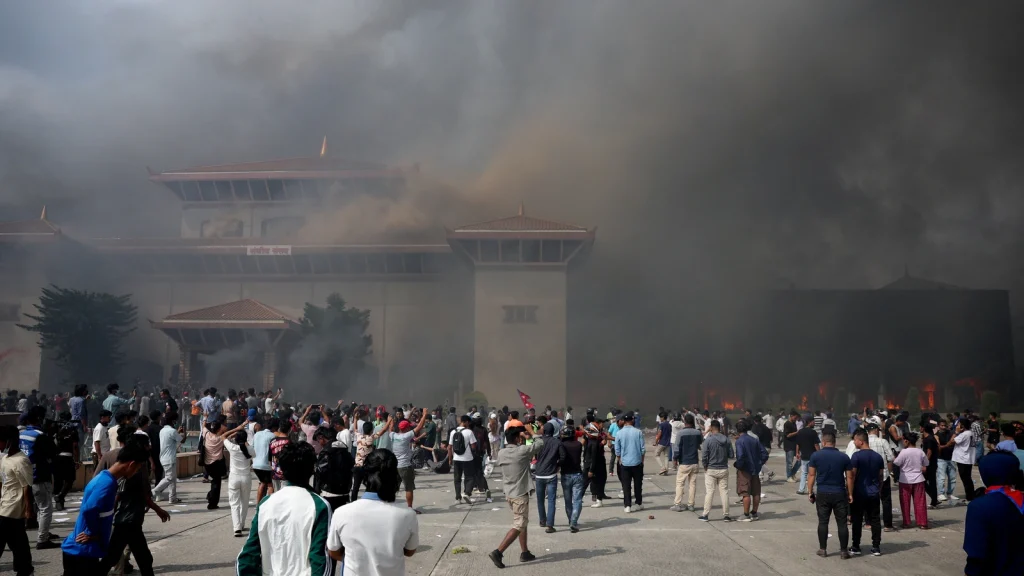
Political Shake-Up Amid Unrest
As the Nepal unrest grew uncontrollable, Prime Minister K.P. Sharma Oli resigned, acknowledging the collapse of order. Though the ban on social media has been lifted, trust between the government and people has been deeply shaken. Families are in mourning, businesses are disrupted, and the atmosphere in Nepal remains tense and unpredictable.
MEA Issues Travel Advisory for Indians in Nepal
The violence has also worried India, which shares close cultural, economic, and geographic ties with Nepal. The Ministry of External Affairs (MEA) has issued a travel advisory for all Indian citizens.
- Avoid non-essential travel to Nepal until the situation stabilizes.
- Indians already in Nepal are advised to remain indoors, avoid crowded areas, and stay alert.
- The Indian Embassy in Kathmandu has released emergency helpline numbers to assist citizens in distress.
- This MEA travel advisory reflects the seriousness of the situation. Many Indians in Nepal, whether for work, education, or tourism, are being urged to prioritize safety above all.
What These Protests Mean for Nepal’s Future
The current Nepal protests highlight a growing generational demand: transparency, dignity, and freedom. Nepal’s youth, connected to the world through the internet, want their leaders to listen—not silence them.
For India and other neighboring countries, Nepal’s crisis is a reminder of how fragile political stability can be. For travelers, it is also a cautionary tale—reminding us that even the most beautiful destinations can face turmoil.At this crossroads, Nepal faces a crucial choice: to rebuild trust through dialogue and reform, or risk deeper divides that could harm its democracy for years to come.