Bee Venom: Benefits, Uses, Risks, and Everything You Need to Know
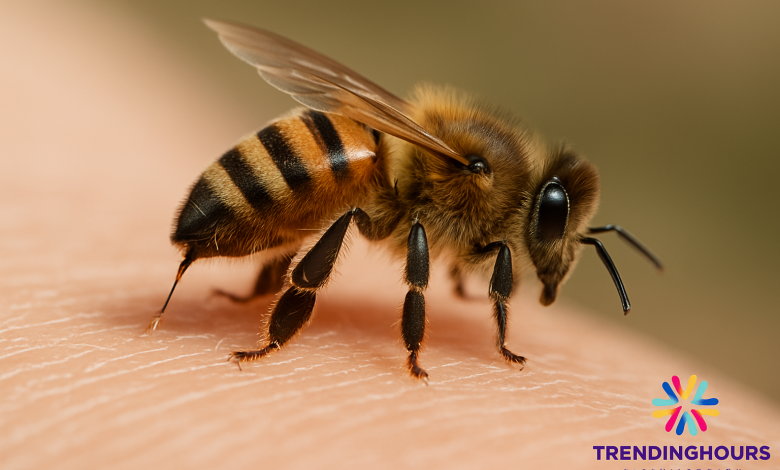
For centuries, humans have been fascinated by bees — not just for honey but also for their healing abilities. Among the most intriguing natural substances they produce is bee venom, also known as apitoxin. This powerful compound has been used in traditional medicine for thousands of years, and today, it is making waves in the fields of skincare, alternative therapy, and medical research.
But what exactly is bee venom? Is it really beneficial, or is it just another skincare trend? And most importantly — is it safe?
In this in-depth guide, we’ll explore everything you need to know about bee venom: from its composition and uses to its benefits, risks, and future potential.
What is Bee Venom?
Bee venom is a colorless liquid produced by honeybees when they sting. Scientifically called apitoxin, it is a complex mixture of proteins, enzymes, and peptides. While bee venom is painful for humans, it plays an important role in defending the hive.
Interestingly, when studied in controlled settings, bee venom shows anti-inflammatory, antibacterial, and pain-relieving properties. These qualities have made it a key ingredient in therapies like apitherapy and in skincare products around the world.
National Library of Medicine – Bee Venom Therapy Research
Composition of Bee Venom
Bee venom contains more than 40 bioactive compounds, but the most important include:
- Melittin – A peptide that makes up 50% of bee venom, known for its strong anti-inflammatory and antimicrobial effects.
- Apamin – A neurotoxin that can affect the nervous system but may also improve memory in certain contexts.
- Adolapin – Works as an anti-inflammatory and pain reliever.
- Phospholipase A2 – An enzyme with immune-modulating properties.
- Hyaluronidase – Helps venom spread in tissues, often used in medical applications.
This unique composition explains why bee venom is both feared (for its sting) and celebrated (for its healing potential).
Bee Venom in Traditional Medicine
The use of bee venom is not new. Historical records show that ancient Egyptians, Greeks, and Chinese used bee stings for treating arthritis and other inflammatory diseases. This practice evolved into what we now call apitherapy — the use of bee products like honey, propolis, royal jelly, and venom for healing.
In countries like Korea and China, bee venom therapy is still practiced today under traditional medicine systems.
Modern Uses of Bee Venom
Today, bee venom is applied in several areas:
1. Skincare
Bee venom has become a trending ingredient in beauty products. It is often marketed as “nature’s Botox” because it stimulates collagen and elastin production. Benefits in skincare include:
- Reduction of fine lines and wrinkles
- Improved skin elasticity
- Anti-inflammatory effects that help with acne
- Hydration and rejuvenation of dull skin
2. Bee Venom Therapy (Apitherapy)
In alternative medicine, bee venom therapy is used for:
- Arthritis and joint pain relief
- Multiple sclerosis (MS) treatment support
- Chronic pain management
- Boosting the immune system
3. Medical Research
Scientists are actively studying bee venom for its potential in:
- Cancer treatment (melittin may destroy cancer cells)
- Neurological disorders like Parkinson’s and Alzheimer’s
- Antibacterial treatments against resistant strains
Bee Venom Benefits
1. Anti-Inflammatory Effects
Melittin, the main component, reduces inflammation, making it effective in managing arthritis and skin redness.
2. Anti-Aging in Skincare
By stimulating collagen, bee venom helps reduce wrinkles, giving skin a youthful glow.
3. Pain Relief
Bee venom therapy has shown promise in reducing pain caused by joint issues.
4. Antimicrobial Properties
Helps fight bacteria, making it useful in wound healing and acne care.
5. Potential in Cancer Research
Preliminary studies suggest bee venom may slow cancer cell growth.
Risks and Side Effects of Bee Venom
Despite its benefits, bee venom is not risk-free. Potential side effects include:
- Mild reactions: Redness, swelling, itching.
- Severe allergic reactions (anaphylaxis): Can be life-threatening for those allergic to bee stings.
- Skin irritation when used in creams or serums.
Who Should Avoid Bee Venom?
- People with bee sting allergies.
- Pregnant or breastfeeding women.
- Individuals with autoimmune diseases (unless under medical supervision).
- Children (unless prescribed by a doctor).
Bee Venom in Skincare: Hype or Reality?
Beauty brands market bee venom as “natural Botox,” and while studies show it can improve skin texture and reduce wrinkles, results are not as dramatic as Botox. However, it’s still a natural, less invasive alternative for those seeking mild anti-aging benefits.
FAQs About Bee Venom
1. What is bee venom therapy?
It is a form of apitherapy where controlled bee stings or venom extracts are used for healing.
2. Is bee venom safe for skin?
Yes, when used in small concentrations in skincare, but patch testing is recommended.
3. Can bee venom cure arthritis?
It may relieve symptoms, but it is not a cure.
4. Does bee venom really work as anti-aging?
It helps reduce wrinkles and improve elasticity, but results are gradual.
5. Where can I buy bee venom products?
They are available in specialized skincare brands, health stores, and online platforms.
Bee Pollen: Uses, Benefits, Nutrition & How to Eat
कच्ची हल्दी vs सूखी हल्दी vs हल्दी पाउडर — कैंसर से बचाव के लिए कौन सी है बेस्ट?