Gemini AI 2.5 Flash Image
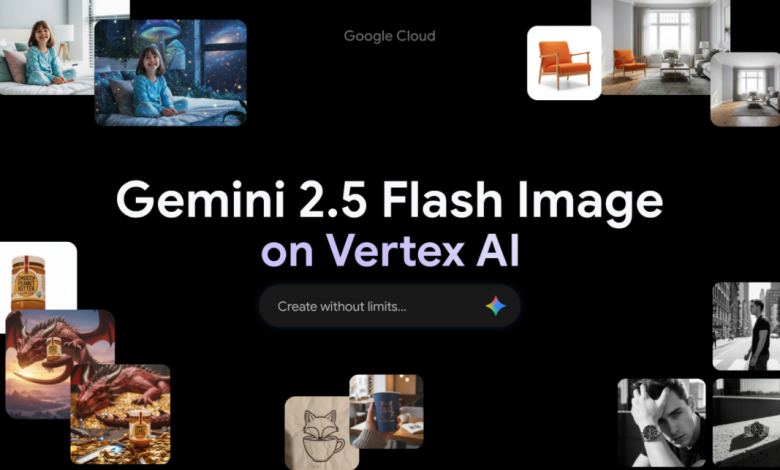
Gemini AI 2.5 Flash Image: The Technology Behind the Nano Banana Trend
Artificial Intelligence is evolving at a rapid pace, and one of the most recent innovations capturing global attention is Google’s Gemini 2.5 Flash Image model, popularly associated with the “Nano Banana” trend. While the trend itself is lighthearted—transforming photos into collectible figurine-style images—the underlying technology highlights significant advancements in AI image generation.
Understanding Gemini 2.5 Flash Image
Gemini 2.5 Flash Image is part of Google DeepMind’s Gemini family of models, specifically designed for image generation and editing. Unlike earlier tools that focused mainly on text or simple visuals, this model combines high speed, accuracy, and creative flexibility. It allows users to:
- Generate images from text prompts.
- Transform existing photos into highly stylized versions.
- Blend multiple images and references seamlessly.
- Preserve the identity of people and objects while changing context or style.
The Nano Banana trend is just one application of this capability—where users apply prompts to turn portraits into 3D collectible figurine renderings with toy-box packaging aesthetics.
Key Features
- Identity Preservation – Faces and key features remain recognizable, even after stylistic changes.
- Multi-image Blending – Combines multiple sources or themes into a single coherent output.
- Fast Generation – Optimized for low latency, making it accessible for both casual and professional users.
- Prompt Flexibility – Natural language prompts enable highly specific edits and transformations.
- Watermarking (SynthID) – Ensures images carry identifiers to indicate AI origin, supporting ethical use.
While the Nano Banana trend presents Gemini AI in a playful light, the implications are broader. Industries such as digital marketing, design, education, and healthcare visualization can leverage this technology to:
- Prototype visual ideas quickly.
- Develop personalized content at scale.
- Enhance communication with stylized but recognizable visuals.
- Reduce dependence on traditional graphic workflows.
Limitations and Challenges
Despite its potential, the model has some limitations:
- Fine details like text rendering or intricate accessories may appear distorted.
- Prompt dependency means vague instructions produce generic results.
- Ethical concerns remain around privacy, deepfakes, and misuse, even with watermarking safeguards.
- Access and cost could be barriers, as advanced features are tied to paid APIs or enterprise products.
The popularity of Nano Banana demonstrates how AI innovations can capture public imagination while also serving as proof of concept for real-world use. As AI-driven creativity tools continue to mature, their role will extend from viral social media content to serious enterprise solutions.
Gemini AI’s latest release shows us that the line between entertainment and utility is rapidly blurring. Today, it might be about collectible figurines—but tomorrow, the same technology could power digital product design, medical imaging enhancements, or immersive education platforms.