When Girls Get Their First Period !
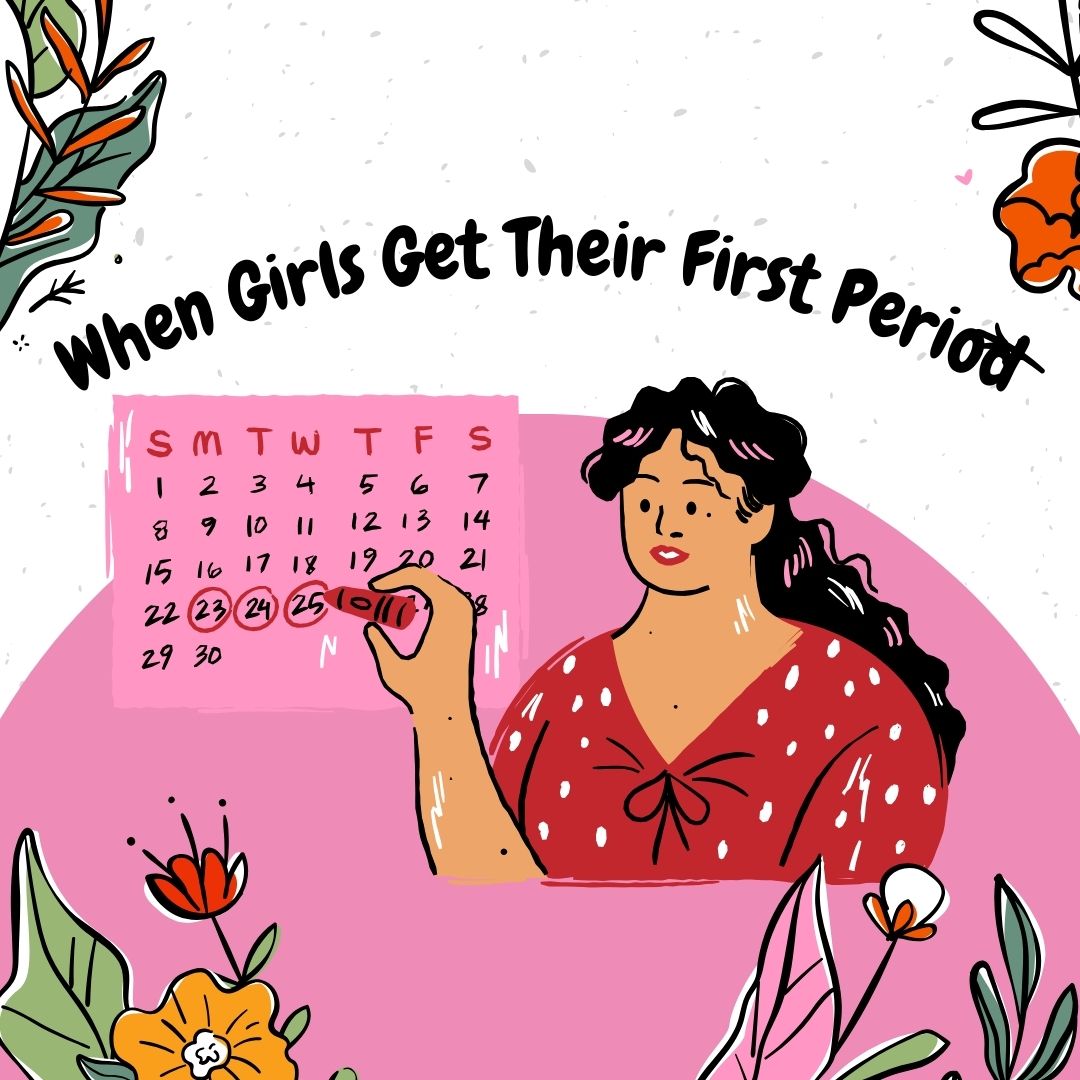
Understanding Menarche: When Girls Get Their First Period
Menarche is a girl’s first menstrual period – a key milestone marking the start of reproductive ability and the transition from childhood to adolescence. Worldwide the average age at menarche is about 12 years, although this has been falling over the last century. It is normal for menarche to occur anywhere roughly between ages 9 and 16. By age 15 most girls have had their first period, but individual timing varies widely. Menarche is triggered by hormonal changes in puberty, and its timing is influenced by genetics, growth, and environment.
Recent surveys show the average age of menarche in the United States is around 12 years. In fact, national data report a median age of about 11.9 years in 2013–2017cdc.gov (down from ~12.1 years in 1995). By contrast, in India the average age tends to be slightly higher. One recent North Indian study found a mean age of about 13.1 yearspmc.ncbi.nlm.nih.gov. In general, Indian studies report menarche ages in the 12–14 year range depending on region and nutrition. For example, a large Indian survey found women born in the 1980s reached menarche around 13.6 years on average, down from 13.8 years for those born in the 1950s–60s. In sum, American girls today tend to reach menarche around age 12, whereas in India the average is often about 13, reflecting differences in genetics, nutrition and health.
Factors That Affect Timing of Menarche
Many factors influence when a girl gets her first period. Genetics are important – daughters often mature at ages similar to their mothers’ menarcheal age. For example, studies find a strong correlation between a mother’s age at menarche and her daughter’s age (correlation ~0.66). Race and ethnicity also play a role: US data show girls of some ethnic groups (e.g. African-American and Hispanic) tend to reach menarche slightly earlier than Caucasian or Asian-American girls. Physical growth is key: body weight and nutrition have big impacts. Girls who are very lean or undernourished often start later, while those who have higher body fat or BMI tend to hit puberty earlier. Indeed, studies link a higher BMI before puberty with earlier menarche.
Environmental and social factors also matter. For example, girls in higher socioeconomic conditions usually receive better nutrition and may mature a bit earlier, whereas chronic illness or poverty can delay puberty. Geographic and lifestyle factors (urban vs rural living, altitude, exercise levels, overall health) also affect timing. Importantly, modern research highlights chemical exposures: certain endocrine-disrupting chemicals (found in some plastics, pesticides or personal-care products) can mimic hormones and shift puberty earlierendocrine.org. For instance, recent research suggests that exposure to some industrial compounds may be linked to girls starting puberty at a younger ageendocrine.org. In summary, menarche timing is a complex trait: it depends on inherited genetic factors, a girl’s health and growth, and the environment she grows up in.
Health Implications of Early or Late Menarche
The age at which a girl gets her first period can have long-term health implications. Studies consistently show that early menarche (for example before age 10–11) is associated with certain risks later in life. Early puberty gives more years of exposure to estrogen, which is linked to higher risk of breast and endometrial cancers. It is also tied to a higher chance of obesity, type 2 diabetes and metabolic syndrome in adulthood. In fact, a large review noted that early menarche is linked to obesity and metabolic problems as well as unsafe sexual behavior (often due to social pressures). Additionally, a long-term study found women with very early menarche had higher rates of cardiovascular events (heart attack, stroke, heart failure) than women whose first period came around age 12.
Conversely, late menarche (for example after 14–15 years) also carries risks. Late maturing girls tend to have lower lifetime estrogen exposure, which can reduce bone density and potentially increase osteoporosis risk later in lifepmc.ncbi.nlm.nih.gov. They may also be more prone to menstrual irregularities and certain fertility issues. Some studies suggest later menarche is associated with a slightly higher risk of depression and metabolic issues in adulthood. For example, the same heart health study showed that women with very late menarche (≥15 years) had higher cardiovascular event rates than those with average timingpmc.ncbi.nlm.nih.gov.
Importantly, early puberty is often seen together with hormonal conditions like polycystic ovary syndrome (PCOS), which involves irregular periods and metabolic changes. Girls who mature very early should be monitored for PCOS symptoms as they grow older. In all cases, being much earlier or later than average is a signal to doctors to watch an adolescent’s health more closely. But it’s also important for parents to remember that a wide range of ages can be normal.
Emotional and Psychological Impact
The first period is not only a physical milestone but also an emotional one. Many girls remember menarche vividly – sometimes as a scary or embarrassing moment, other times as a coming-of-age event. Psychological research shows that menarche is a significant and often emotional event for girlspubmed.ncbi.nlm.nih.gov. It is frequently experienced with anxiety or mixed feelings – especially if a girl is unprepared or feels different from peers. A classic review of adolescent girls found that the first period is often “perceived negatively” due to confusion or lack of information, although it can eventually become a positive rite of passage once understoodpubmed.ncbi.nlm.nih.gov.
Girls who mature earlier than classmates can face extra stress. Early-maturing girls may look and feel older than peers, which can lead to unwanted attention, body image concerns, and pressure to act more mature than they are emotionally ready to be. Studies show that early puberty (including early menarche) is linked with higher rates of anxiety, depression, and social difficulties during adolescence. In fact, one large longitudinal study found that girls who get their periods early had more depressive symptoms and even antisocial behavior that persisted into adulthood. This does not mean early puberty causes mental illness, but it does mean parents and doctors should be alert to emotional struggles in girls who mature young.
On the other hand, girls who are much later than peers can also feel self-conscious or left out. They may worry that something is “wrong” or feel embarrassed if classmates have periods and they do not. Late bloomers can feel inferior or tease by peers. It’s important to reassure a late-maturing girl that everyone is different, and her body is simply taking a bit longer – which usually is not a problem.
In all cases, open communication and support from parents are key. Girls who feel supported and informed about menstruation tend to cope better and have a more positive experience.
Tips for Parents: Supporting Your Daughter
Parents play a crucial role in preparing daughters for menarche and helping them through this transition. Experts recommend the following steps:
- Start the conversation early. Talk with your child about periods and puberty well before her first period happens. Explain the menstrual cycle in simple, age-appropriate terms and answer her questions openly. Create a safe space where she can express worries or embarrassment. Early conversations remove the “shock” factor and help normalize the change.
- Provide reliable information. Make sure she understands what menstruation is and why it happens. You might use books or credible online resources aimed at tweens. Address myths or taboos, and emphasize that having periods is a healthy, normal part of growing up.
- Be emotionally supportive. Listen to her feelings and validate them. It’s normal if she feels anxious, confused, or even excited. Offer reassurance – every mature woman in her life started her periods at some point. Remind her that there’s no “right” age; all bodies develop in their own time.
- Prepare a period kit. Help her assemble a small pouch with sanitary pads or tampons (depending on your family’s preferences), and keep it stocked. Teach her how to use the products properly. Having supplies on hand will reduce panic when the first period arrives.
- Encourage healthy habits. Good nutrition, regular exercise, and enough sleep can help ease menstrual symptoms like cramps or mood swings. Teaching self-care now (balanced diet, hydration, gentle exercise during periods) will benefit her long-termallianceforperiodsupplies.org. Likewise, emphasize that it’s fine to rest when she feels fatigued during her period.
- Set a positive example. Model a healthy attitude about menstruation yourself. If you handle your own periods without shame or apology, she’ll learn to see menstruation as a normal, manageable part of life. Avoid negative language or jokes about periods. Showing understanding and acceptance will help her feel more comfortable.
Finally, watch for emotional or physical issues. Be prepared to answer questions about cramps, mood swings, or irregular cycles. If her first period is extremely early (before age 8–9) or very late (after 16) you may consult a pediatrician just to rule out any medical concerns. Also, know that some anxiety and mood changes around puberty are common, but if she seems severely depressed or overly distressed, professional counseling can help her cope with these changes.
Conclusion
Menarche is a natural milestone with both physical and emotional dimensions. On average, girls in the U.S. today experience their first period at about 12 years of age, while in India it often comes around 13 years, due to differences in genetics, nutrition and environmentcdc.govpmc.ncbi.nlm.nih.gov. A girl’s specific timing is shaped by many factors (her genes, body weight, health and surroundings). Very early or very late onset of periods can signal higher risks for certain health issues (from diabetes or heart disease with early puberty to bone or menstrual problems with late puberty). It can also bring psychological challenges. The good news is that informed and caring parents can make a big difference: talking openly, providing accurate information and practical help, and offering emotional support will help daughters navigate menarche with confidence. For more detailed guidance, parents can consult resources from pediatric and public health organizations, and always feel free to discuss any concerns with a family doctor.
Sources: Authoritative health surveys and studies (CDC, NIH, academic journals) were used for statistics and information. These include recent national surveys and peer-reviewed research on puberty timing, its causes, and its impacts.