foods to avoid when trying to conceive

Embarking on the journey to parenthood is both exciting and significant. Maintaining a balanced diet plays a crucial role in fertility. Here’s a guide to foods and substances you might consider limiting or avoiding to enhance your chances of conceiving:
1. Highly Processed Foods
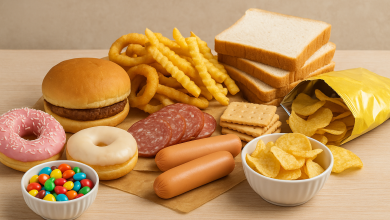
Items like packaged cookies, pies, pastries, and biscuits often contain trans fats, which are harmful to heart health and can negatively impact fertility. Research indicates that even a 2% increase in trans fat intake can significantly affect fertility.
2. High-Mercury Fish
Fish such as shark, swordfish, king mackerel, and tilefish have elevated mercury levels, which can harm fetal development. Opting for low-mercury fish like salmon or shrimp is advisable.
reproductivehealthwellness.com
3. Excessive Caffeine
While moderate caffeine consumption is generally acceptable, excessive intake has been linked to fertility issues. It’s advisable to limit caffeine consumption when trying to conceive.
4. Alcohol
Alcohol consumption can negatively affect fertility and increase the risk of miscarriage. It’s best to avoid alcohol when trying to conceive.
5. Sugary Beverages
Regular consumption of sugary drinks like soda can lead to insulin resistance, which may interfere with ovulation.
6. Foods High in Refined Carbohydrates
Consuming foods high in refined carbohydrates, such as white bread and pastries, can lead to insulin resistance, which may negatively affect fertility.
7. Foods Containing Artificial Sweeteners
Some studies suggest that artificial sweeteners may have a negative impact on fertility. It’s advisable to limit their consumption when trying to conceive.
Adopting a diet rich in fruits, vegetables, whole grains, lean proteins, and healthy fats can support reproductive health and improve your chances of conception.
Remember, every individual is unique. Consulting with a healthcare provider or a fertility specialist can provide personalized guidance tailored to your specific needs.