10 Powerful Health Benefits of Dalchini (Cinnamon) You Should Know
Introduction
We all know dalchini (cinnamon) as a fragrant spice that lifts the flavor of chai, cookies, and curries. But dalchini offers much more than aroma. This ancient spice packs beneficial compounds that support metabolic, cardiovascular, digestive, and immune health. In this post, I share science-backed health benefits of dalchini, safe usage tips, and how to include it in your daily diet. Use this as a guide for a well-ranked, reader-friendly blog post.
What Is Dalchini?
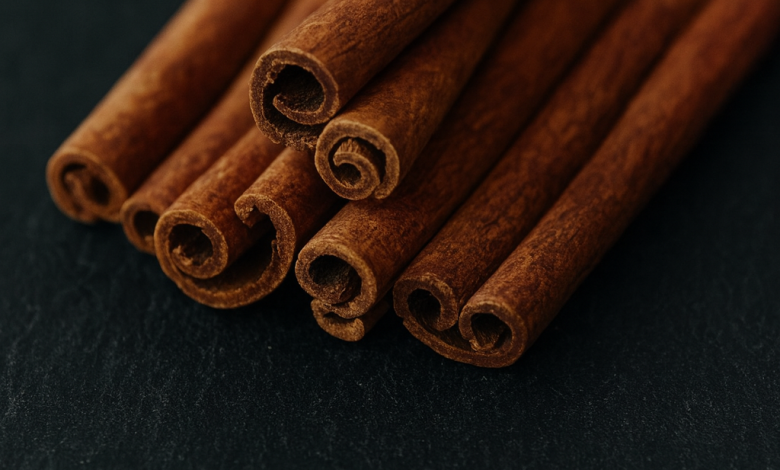
Dalchini (scientific name Cinnamomum verum or Cinnamomum zeylanicum) belongs to the laurel family. Traditional medicine systems in South Asia and beyond use its bark, leaves, and essential oil for digestive, respiratory, and metabolic health. ResearchGate+2MDPI+2
Commercially, two main types appear: Ceylon (“true”) cinnamon and Cassia cinnamon. Cassia is cheaper but contains higher amounts of a compound called coumarin, which may stress the liver at high doses. Ceylon has much lower coumarin content and is generally safer for frequent use. MDPI+3Healthline+3Medical News Today+3
The key bioactive molecules in dalchini include cinnamaldehyde, cinnamic acid, eugenol, and polyphenols. These drive many of its health effects. MDPI+2PMC+2
Health Benefits of Dalchini (Cinnamon)
Below are the major health benefits that current research supports. Always note: more human trials are needed in many areas, and cinnamon is a supplement to, not a substitute for, medical treatment.
1. Lowers Blood Sugar & Fights Insulin Resistance
Dalchini enhances insulin sensitivity. In controlled studies, participants who took cinnamon or its extract showed reduced fasting blood glucose and improved insulin function. PMC+3PMC+3Healthline+3
It may slow the digestion of carbohydrates and blunt post-meal glucose spikes. Medical News Today+1
However, large reviews note inconsistent results, especially on long-term markers like HbA1c. Medical News Today+1
2. Supports Heart & Cardiovascular Health
Dalchini helps reduce risk factors that damage heart health:
- It lowers “bad” LDL cholesterol and triglycerides. Medical News Today+3Healthline+3PMC+3
- It raises “good” HDL cholesterol in some studies. Healthline+1
- It can modestly reduce blood pressure when taken over weeks. Healthline+2MDPI+2
- It combats oxidative stress and inflammation — two major drivers of heart disease. MDPI+2PMC+2
A 2024 review described cinnamon as “effective in preventing and treating cardiovascular diseases by lowering blood lipids and blood pressure and improving oxidant/antioxidant balance.” PMC
3. Acts as Antioxidant & Anti-Inflammatory Agent
Dalchini contains potent antioxidants such as polyphenols, which neutralize free radicals and reduce cellular damage. PMC+3Healthline+3MDPI+3
It also inhibits inflammatory markers like TNF-α, interleukins, and COX enzymes in lab and animal studies. MDPI+2PMC+2
Chronic inflammation contributes to aging, metabolic syndrome, cardiovascular disease, and cancer. Dalchini may help keep inflammation in check.
4. Antimicrobial, Antifungal & Antiviral Actions
Cinnamon essential oil, cinnamaldehyde, and phenolic compounds can inhibit the growth of bacteria (e.g. E. coli, Salmonella), fungi (e.g. Candida), and certain viruses in lab settings. Medical News Today+2MDPI+2
These properties may support oral health (reducing dental pathogens) and protect food from spoilage when used as a natural preservative. Healthline+1
5. Neuroprotection & Brain Health
Dalchini may help protect brain cells and slow neurodegenerative processes:
- It may reduce buildup of tau proteins and amyloid plaques — features of Alzheimer’s disease — in animal studies. Medical News Today+1
- It suppresses neuroinflammation, which contributes to brain aging. MDPI
- Some studies point to improved cognition and memory in models with induced brain injury. MDPI+1
While promising, human trials remain limited.
6. Cancer-Fighting Potential
Laboratory tests show that dalchini compounds (especially cinnamaldehyde) may block proliferation of cancer cell lines (e.g. colon, liver, breast) and induce cancer cell death. MDPI+2PMC+2
It may also suppress angiogenesis (new blood vessel formation for tumors) and metastasis in some models. MDPI
But be cautious: these findings come from cell and animal studies. Translating them to humans requires much more research.
7. Helps With Digestive Health & Gut Function
Dalchini stimulates digestive enzymes and supports bile flow, aiding digestion and reducing bloating. Cambridge University Press & Assessment+2Medical News Today+2
It may also improve gut microbiome balance, deter harmful gut pathogens, and support intestinal barrier integrity. MDPI+1
8. Liver Protection
Some studies suggest dalchini helps protect the liver from toxins and oxidative stress. It may boost antioxidant enzyme activity in the liver. ResearchGate+2Medical News Today+2
Because high doses of coumarin (especially from Cassia cinnamon) can harm the liver, the liver-protective effect applies only with moderate amounts and safer cinnamons. Wikipedia+1
9. Mood, Anxiety & Brain Disorders
Experimental animal studies suggest that dalchini or its essential oil may reduce anxiety, depressive behavior, and even mitigate Parkinson’s-like neuronal damage. ResearchGate+2PMC+2
It may upregulate protective proteins (like DJ-1, Parkin) and reduce oxidative stress in brain cells. ResearchGate+1
Again, human evidence is scarce, so treat this as exploratory.
10. Wound Healing, Skin & Anti-Aging
Dalchini’s antimicrobial and anti-inflammatory actions may accelerate wound healing. Some topical formulations include cinnamon extracts. ResearchGate+1
Its antioxidants protect skin cells from UV damage, reduce aging signs, and may balance skin microbiota.
Safe Use, Dosage & Risks
To keep your blog credible, also mention safety considerations.
- Dosage: Many human studies use 1–3 grams of cinnamon per day. Exceeding this for long periods might pose risks. Healthline+2Medical News Today+2
- Coumarin risk: Cassia cinnamon has higher coumarin content, which can harm the liver in high doses. Ceylon cinnamon has much lower coumarin, making it safer. Wikipedia+2Medical News Today+2
- Drug interactions: Cinnamon may enhance effects of diabetes drugs, anticoagulants, or blood pressure medications. Consult a doctor before combining. Medical News Today+2Healthline+2
- Allergies & irritation: Some people may develop mouth irritation, allergic skin reactions, or digestive discomfort.
- Pregnancy & children: Use only in food amounts; avoid high supplemental doses during pregnancy unless guided by a physician.
Always include a disclaimer: “This article is for informational purposes only and does not substitute medical advice.”
How to Use Dalchini Daily
Here are practical ways to include dalchini in your readers’ routines:
- Cinnamon tea / dalchini water
- Boil a small stick (1–2 cm) in water for 5–10 min.
- Strain and drink warm.
- Add ginger, honey, or cardamom for flavor and added benefits.

- Sprinkle on foods
- Add ½ tsp (or less) on oatmeal, porridge, smoothies, yogurt, coffee, or desserts.
- Use with caution when combining with honey and heat (high heat may degrade some compounds).
- Cooking & curries
- Insert a dalchini stick into curries, stews, biryani, or rice dishes.
- Remove the stick before serving.
- Infused oil / tincture
- Infuse ground cinnamon into edible oil (like coconut or olive) for topical or cooking use.
- Make a tincture using alcohol or glycerol (for advanced users).
- Supplements
- Use standardized cinnamon extract supplements (e.g., 10:1, Ceylon-based) if diet fails to deliver.
- Always follow label dosage and consult a healthcare professional.
- DIY face mask / scrub
- Combine ground cinnamon with honey/aloevera for antimicrobial skin mask (patch-test before use).